Basil Khwaja
- Bachelor's Degree in Computer Engineering, Purdue University (2022 – 2025)
- Master's Degree in Electrical and Computer Engineering, Purdue University (2025 – 2026)

SycEval-EA: Relational Framing and Memory Policy on Contamination
Ancil Crayton, Nathan Batty, Neil Pendyala, Basil Hasan Khwaja, Jess Bergs
SycEval-EA studies how sycophantic responses can turn into persistent misinformation in LLM memory. Across 352,800 trials involving seven models and 200 algebra and medical questions, the study distinguishes between caving to false corrections, valid revision, and whether admitted errors are later stored and reproduced. The results show that framing can influence caving, with reality-testing generally reducing it and contingent approval increasing it, while structured memory records reduce false admissions and contamination compared with naive summaries.
AEM : Adaptive Edge Model Predictive Control via Contextual Neural Bandtis
Basil Hasan Khwaja, Yuan-Yao Lou, Jonathan Spencer, Kwang Taik Kim
Real-time autonomous vehicle (AV) local planning demands low-latency, safe, and compute-efficient trajectory generation. While offloading Model Predictive Control (MPC) rollouts to edge servers expands the planning search space, intermittent wireless downlinks and transmission errors create critical latency bottlenecks. Different rules that govern edge servers can not all prove to benefit the agent at all times. Existing frameworks remain agnostic to historical execution patterns and spatial context because of large overhead computation that exists with brute-force recommendation systems...
Tracing Pharmacological Knowledge In Large Language Models
Basil Hasan Khwaja, Dylan Chen, Guntas Toor, Anastasiya Kuznetsova
We investigate how drug-group semantics are represented and retrieved within Llama-based biomedical language models using causal and probing-based interpretability methods. Our results demonstrate that early layers play a key role in encoding drug-group knowledge, with pharmacological semantics distributed across tokens rather than localized to single positions.


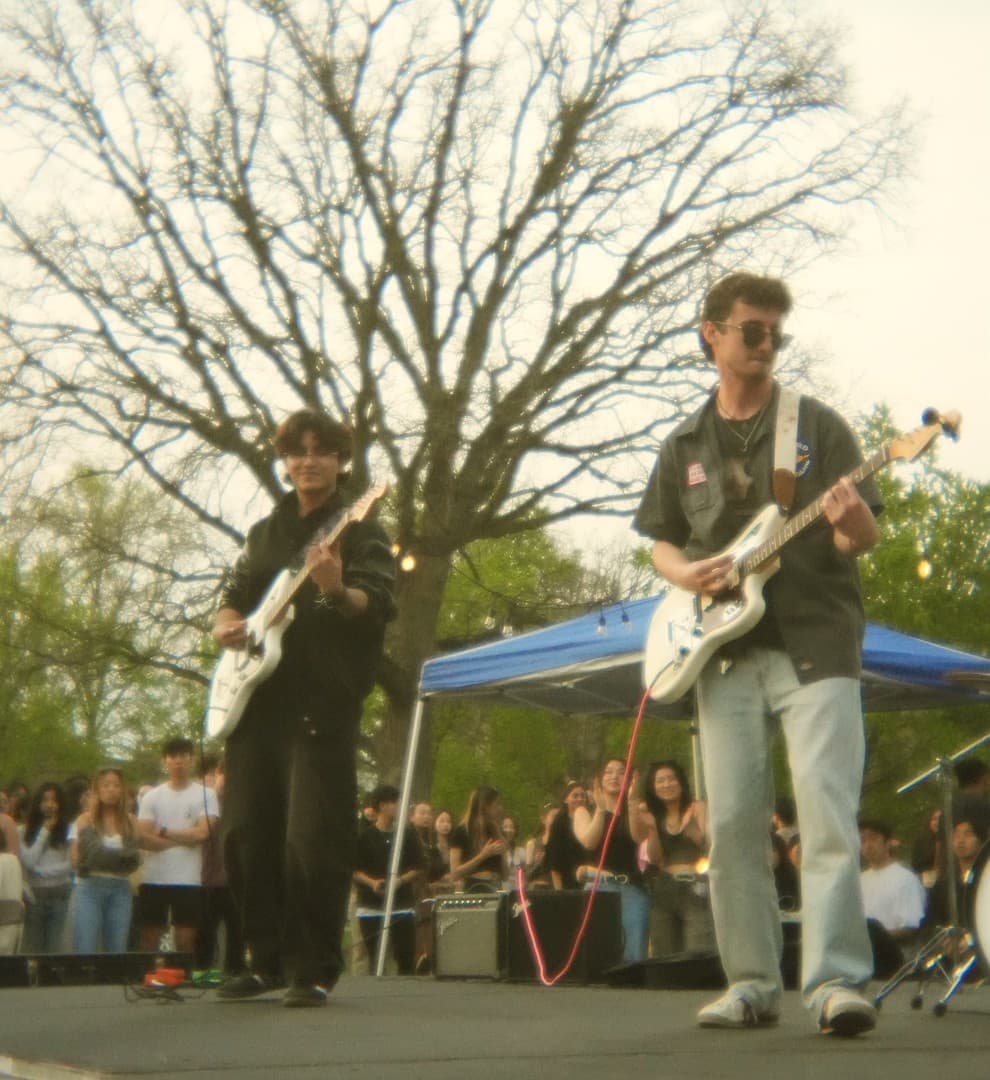
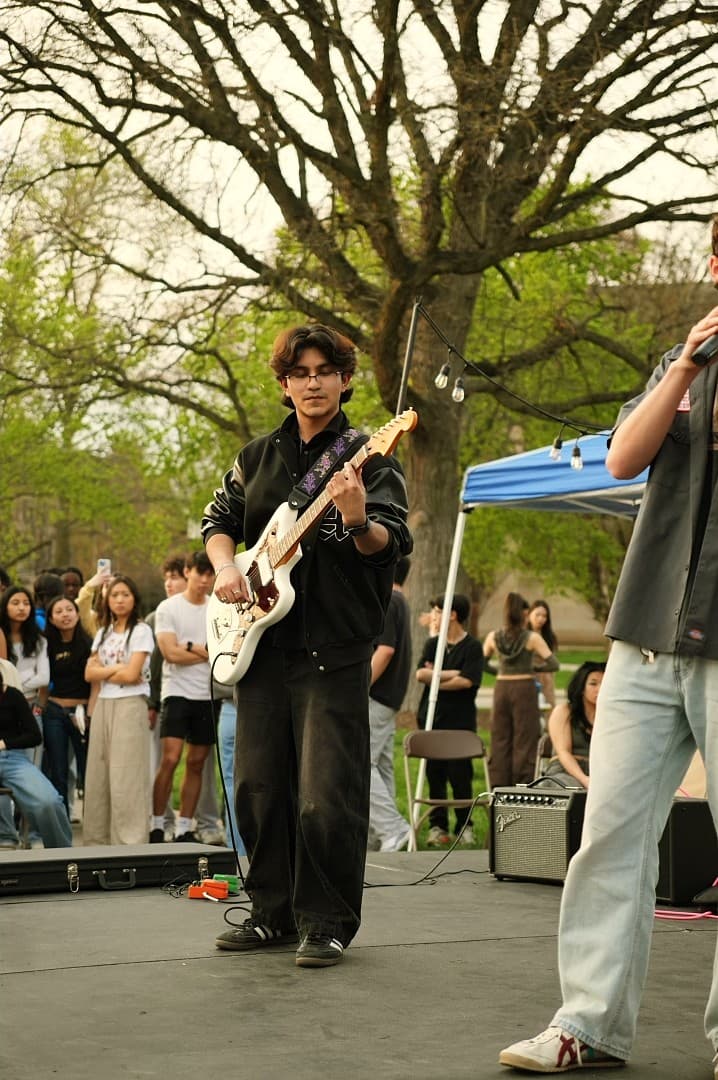

Juxtaposed
Lost Keys
Suffocate
Space
"Medicine, law, business, engineering—these are noble pursuits and necessary to sustain life, but poetry, beauty, romance, love—these are what we stay alive for."- Dead Poet's Society
"But how could you live and have no story to tell?"- White Nights
"One could not count the moons that shimmer on her roofs, or the thousand splendid suns that hide behind her walls"- A Thousand Splendid Suns